Every year, hundreds of workers suffer serious injuries or fatalities during routine maintenance because machinery was accidentally energized. The root cause? A missing or poorly executed lockout tagout (LOTO) procedure. A simple lockout tagout procedure isn’t just a compliance checkbox—it’s a life-saving system that ensures machines stay off and dangerous energy sources stay isolated.
Despite its critical importance, many teams struggle with overly complex processes, inconsistent application, or lack of training. The truth is, an effective LOTO plan doesn’t need to be complicated. When built right, it’s straightforward, repeatable, and deeply embedded in daily operations. This guide breaks down the essential elements of a simple lockout tagout procedure, from preparation to restoration, with real-world context and practical warnings.
Why Simplicity Matters in Lockout Tagout
Complexity kills compliance. When LOTO procedures are too technical, vague, or lengthy, workers skip steps—or worse, improvise. A simple lockout tagout procedure reduces cognitive load, improves adherence, and ensures consistency across shifts and teams.
Consider this example: A maintenance technician needs to clear a jam in a conveyor system. If the LOTO process requires consulting a 10-page document, finding multiple isolation points, and coordinating with three supervisors, delays happen. Someone might bypass the system to "just fix it quickly." But if the procedure is clear, visual, and takes under two minutes to initiate, compliance becomes automatic.
Simplicity doesn’t mean cutting corners. It means designing clarity. Focus on: - Minimal, well-defined steps - Visual aids and color-coded lockout points - Role-specific instructions - Regular drills to reinforce muscle memory
The goal is to make safety the path of least resistance.
The 6-Step Simple Lockout Tagout Procedure
An effective LOTO process follows a standardized flow. OSHA outlines this in 29 CFR 1910.147, but the most usable versions distill it into six clear actions. Here’s how a simple lockout tagout procedure works in practice:
1. Preparation: Identify the Equipment and Energy Sources
Before any shutdown, the authorized employee must know exactly what they’re locking out—and what kind of energy is involved. This includes: - Electrical - Mechanical - Hydraulic - Pneumatic - Chemical - Thermal
Example: Servicing a hydraulic press means de-energizing both the electrical supply and residual pressure in the hydraulic lines. Missing one source creates risk.
Create equipment-specific LOTO checklists. These should list every energy isolation point (EIP), required lockout devices, and any special steps like bleeding lines or blocking moving parts.
2. Notification: Alert Affected Personnel
Warn everyone who uses or operates the equipment that maintenance is about to begin. This prevents someone from unknowingly re-energizing a system.
Use a verbal announcement, logbook entry, or digital alert—whatever fits your workflow. In a bakery, for instance, shutting down an oven requires telling line workers so they can pause production. Communication prevents panic and accidental interference.
3. Shutdown: Power Down the Equipment Properly
Shut off the machine using its normal stopping controls—never assume turning off the switch is enough. Some systems store energy even after shutdown.
Example: A large industrial fan may take 90 seconds to stop spinning after power is cut. Attempting service too soon risks contact with moving blades.
Follow manufacturer guidelines for proper shutdown sequences. If needed, allow time for systems to cool, depressurize, or drain.
4. Isolation and Application of Lockout Devices
Now, isolate all energy sources. This typically involves: - Turning off circuit breakers - Closing block valves - Disconnecting hoses - Engaging mechanical blocks
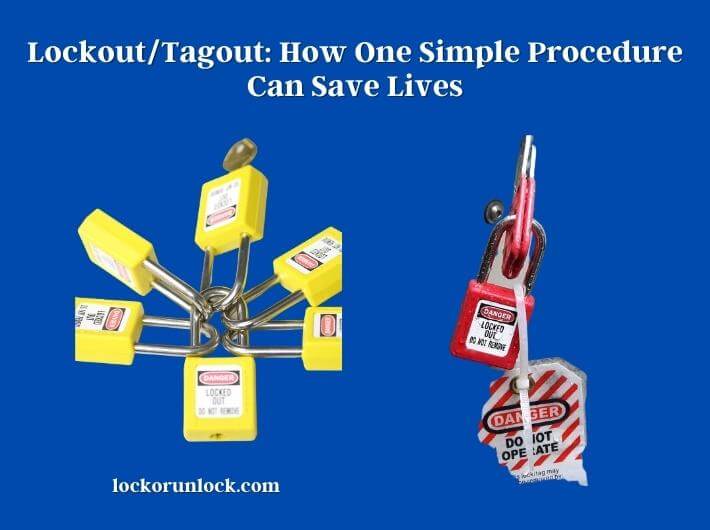
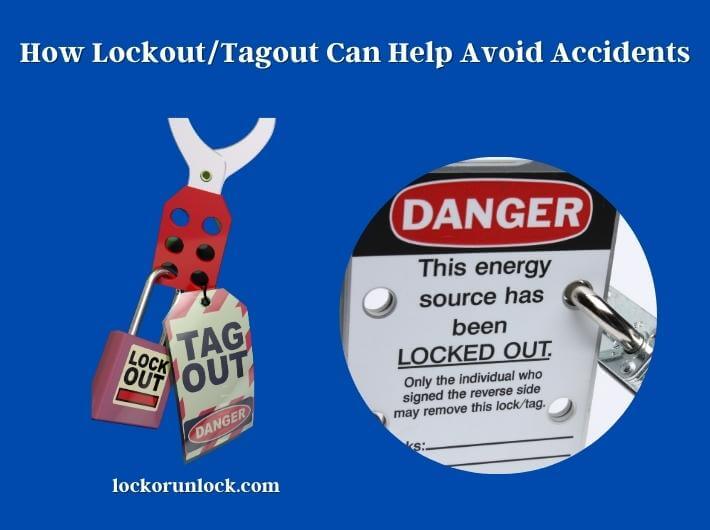
Once isolated, apply lockout devices—padlocks, valve locks, circuit breaker locks—and attach a tag. Each lock must be personal and non-transferable. A group lockout may use a hasp with multiple locks, but each worker applies their own.
Common mistake: Using a single master lock shared among staff. This violates OSHA rules and creates accountability gaps. If two people are working, two locks are required.
5. Control of Stored Energy
Even after isolation, residual energy can remain. Springs, capacitors, elevated parts, and pressurized tanks all pose hazards.
Release, block, or dissipate stored energy before work begins. For example: - Bleed hydraulic lines with a bleed valve - Ground high-voltage circuits - Lower suspended loads with blocks or supports
Verify zero energy state by attempting to start the machine (with LOTO still in place). If it doesn’t start, you’ve confirmed isolation. Never rely on interlocks or software controls alone.
6. Restoration: Return to Service Safely
When work is complete: - Confirm tools are removed - Ensure guards are reinstalled - Verify all personnel are clear - Remove locks and tags only by the person who applied them
Announce that the machine is being re-energized. Restart using normal startup procedures.
Never remove another person’s lock—even if they’re on break. That’s a violation with serious legal and safety consequences.
Common Mistakes That Undermine Simple LOTO
Even with a clear procedure, execution often fails due to human and systemic errors. Watch for these pitfalls:
- Using tags without locks: Tags alone don’t physically prevent energizing. They’re warnings, not safeguards.
- Skipping stored energy checks: Assuming “it’s off” leads to crushing, burning, or shearing injuries.
- Inadequate training: Affected employees (those who operate equipment) often don’t understand their role in LOTO.
- One-size-fits-all procedures: A LOTO for a CNC machine shouldn’t mirror one for a boiler. Customize.
- Poor device quality: Flimsy locks or tags that fade over time reduce reliability.
One Midwest manufacturing plant reduced LOTO incidents by 70% after switching to color-coded lockout kits and adding pictorial checklists near each machine. Simplicity, visibility, and relevance made the difference.
Tools and Devices for a Reliable Simple LOTO Procedure
You can’t execute a solid procedure without the right tools. These items turn your plan into action:
| Tool | Purpose | Best Use Case |
|---|---|---|
| Personal Padlocks | Individual lockout control | Each technician has their own keyed or combination lock |
| Valve Lockouts | Prevent valve reopening | Gas lines, steam systems, hydraulic controls |
| Circuit Breaker Locks | Secure electrical panels | Industrial machinery, control cabinets |
| Hasp and Group Lockout Station | Multiple users on one system | Team maintenance tasks |
| LOTO Tags | Communicate why and who | Must include name, date, reason |
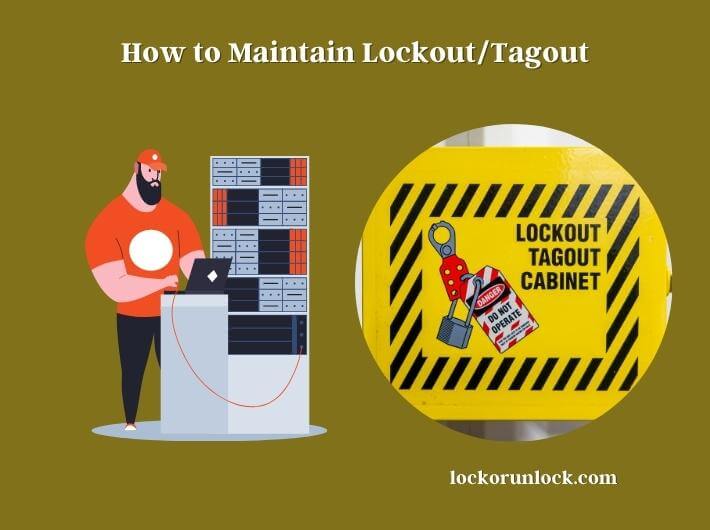
Invest in durable, standardized kits. Some companies use lockout stations with labeled envelopes—each holding the locks and tags for a specific machine. This reduces confusion and speeds up deployment.
Real-World Scenarios: Applying Simple LOTO
Scenario 1: Office Printer Jam Even small equipment needs LOTO. A school custodian clears a jam in a high-volume copier. The simple procedure: unplug the machine, lock the power cord with a small hasp, tag it, clear the jam, then remove the lock after verifying safety. No electricity, no risk.
Scenario 2: Manufacturing Line Conveyor A technician must replace a roller. The procedure includes: - Notifying the shift supervisor - Stopping the line via control panel - Locking the main disconnect and tension motor - Using a mechanical arm block to prevent belt movement - Verifying no stored energy - Tagging and proceeding
Each step is documented on a laminated card posted nearby.
Scenario 3: HVAC System Maintenance An HVAC tech services a rooftop unit. Isolation involves: - Turning off the breaker - Locking the disconnect switch - Closing the gas valve and locking it - Tagging both points - Bleeding refrigerant lines (if applicable)
Without isolating both electrical and gas sources, the risk of explosion or electrocution remains high.
Making LOTO Sustainable in Daily Operations
A simple lockout tagout procedure only works if it’s lived, not just written. Sustainability comes from:
- Daily Accountability: Supervisors verify LOTO is used during shift start-ups.
- Drills and Audits: Run surprise LOTO simulations quarterly. Check compliance and correct gaps.
- Feedback Loops: Let workers suggest improvements. If a valve is hard to lock, redesign access.
- Onboarding Integration: New hires practice LOTO in their first week.
One paper mill saw compliance jump from 62% to 98% after adding a 5-minute LOTO review to pre-shift meetings. Repetition builds habit.
Conclusion: Safety Is Built on Simplicity
A simple lockout tagout procedure isn’t a stripped-down version of safety—it’s safety engineered for real people in real environments. By focusing on clarity, consistency, and proper tools, you turn regulatory obligation into operational strength. Start small: pick one machine, build a one-page LOTO guide, train the team, and verify it works. Then scale it across your facility. The goal isn’t perfection—it’s prevention. Every lock applied is a potential injury avoided.
Frequently Asked Questions
What is the first step in a lockout tagout procedure? The first step is preparation: identifying the equipment and all energy sources that need to be controlled.
Can tagout be used without lockout? Tagout alone is only allowed when a lock can’t be applied, and strict additional safety measures must be in place. Lockout is always preferred.
Who can remove a lockout device? Only the authorized employee who applied the lock may remove it. No exceptions.
How often should LOTO procedures be reviewed? OSHA requires annual inspections. Best practice is to review after any incident, near-miss, or equipment change.
What is the difference between authorized and affected employees? Authorized employees perform maintenance and apply LOTO. Affected employees operate or use the equipment but don’t service it.
Do portable tools require LOTO? Yes, if they’re being serviced and connected to a fixed power source. Unplugging and locking the cord outlet is sufficient.
Are electronic lockout systems acceptable? Yes, if they provide equivalent protection—individual control, verification, and compliance with OSHA standards.
FAQ
What should you look for in Simple Lockout Tagout Procedure: A Step-by-Step Guide? Focus on relevance, practical value, and how well the solution matches real user intent.
Is Simple Lockout Tagout Procedure: A Step-by-Step Guide suitable for beginners? That depends on the workflow, but a clear step-by-step approach usually makes it easier to start.
How do you compare options around Simple Lockout Tagout Procedure: A Step-by-Step Guide? Compare features, trust signals, limitations, pricing, and ease of implementation.
What mistakes should you avoid? Avoid generic choices, weak validation, and decisions based only on marketing claims.
What is the next best step? Shortlist the most relevant options, validate them quickly, and refine from real-world results.